Beyond the Finish Line: Grit, Gratitude, and the Gray Nation at Big Sur
They call it "Running on the Ragged Edge of the Western World," but for me, the 2026 Big Sur International Marathon was about something much deeper than the jagged cliffs and crashing Pacific surf.
This was my 12th marathon, falling exactly 20 years after my very first marathon in 2006. This year, I wasn't just running against the clock; I was running for a mission.
Running for a Reason: Gray Nation Endurance
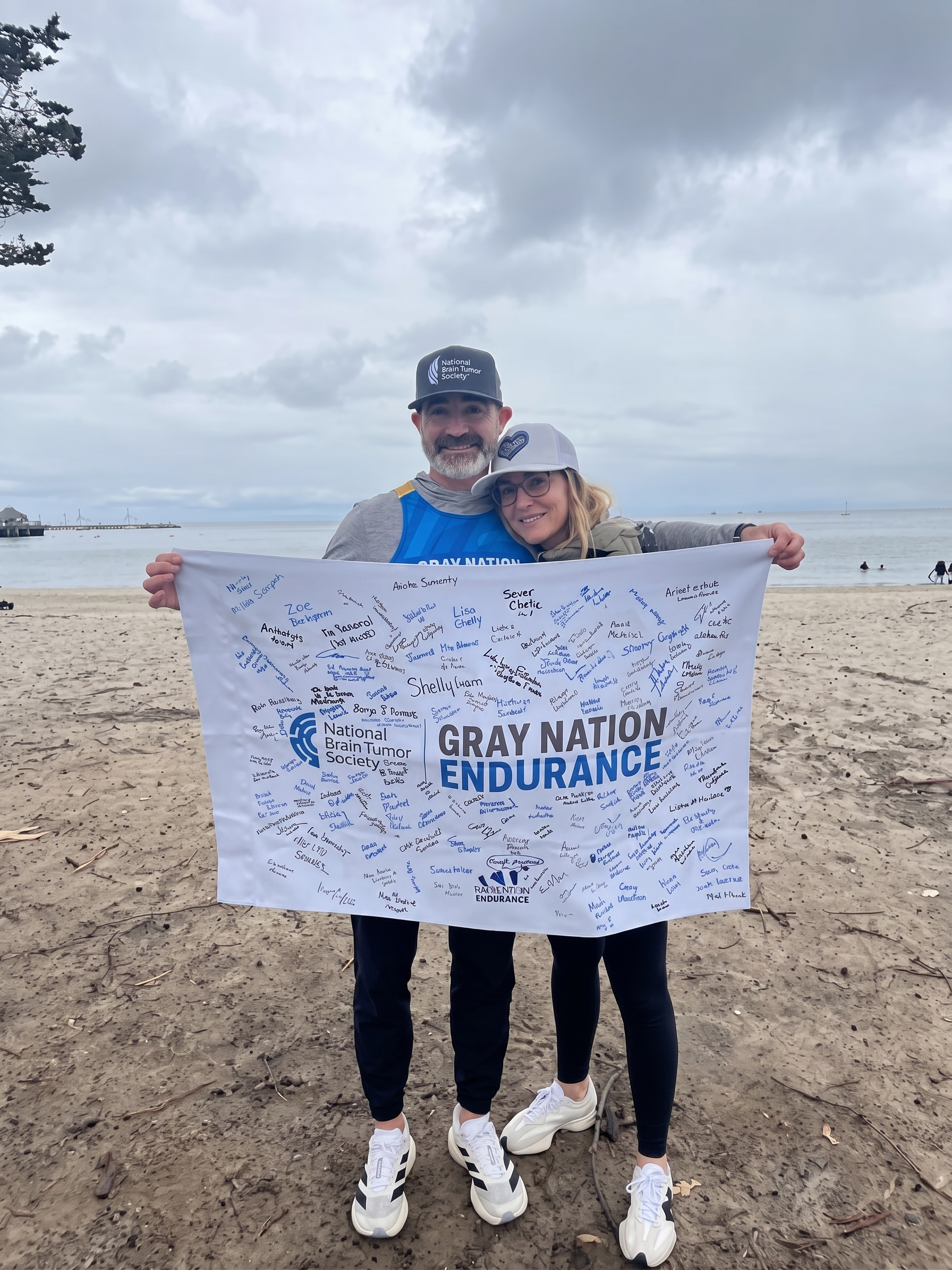
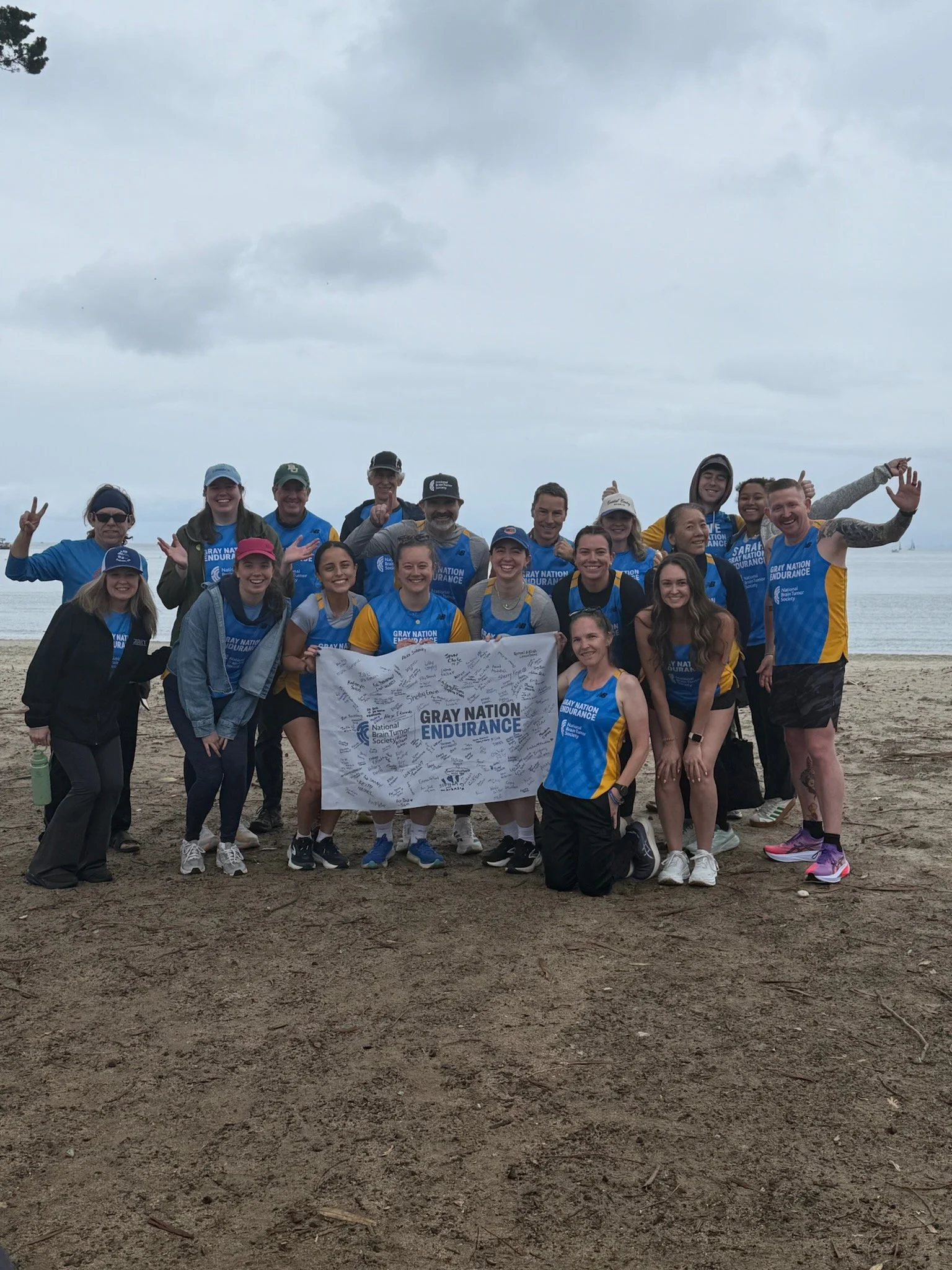
This marathon was special because Jill and I partnered with the National Brain Tumor Society and the Gray Nation Endurance team to fundraise. We set an ambitious goal to raise $5,000, and thanks to an incredible community, we reached $5,600. Even more humbling was the collective impact: our entire team raised a staggering $105,000 to fight brain tumors.
The Big Sur Grind: 3:15 AM
The day began in the quiet, chilly darkness of a 3:15 AM wakeup. By 4:00 AM, I was on a bus heading down the coast, anticipation building with every winding turn of the road I’d soon be running back up.
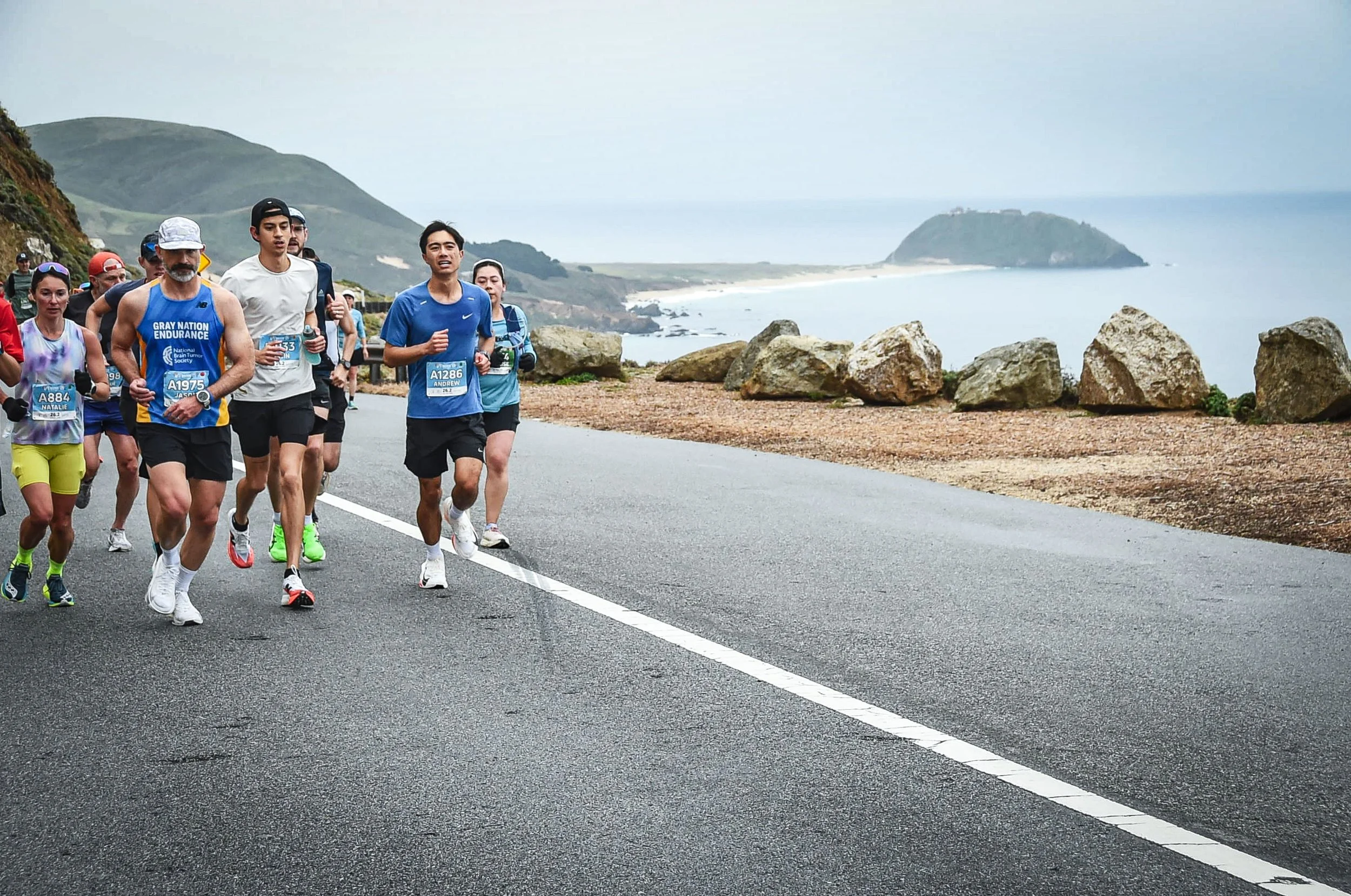
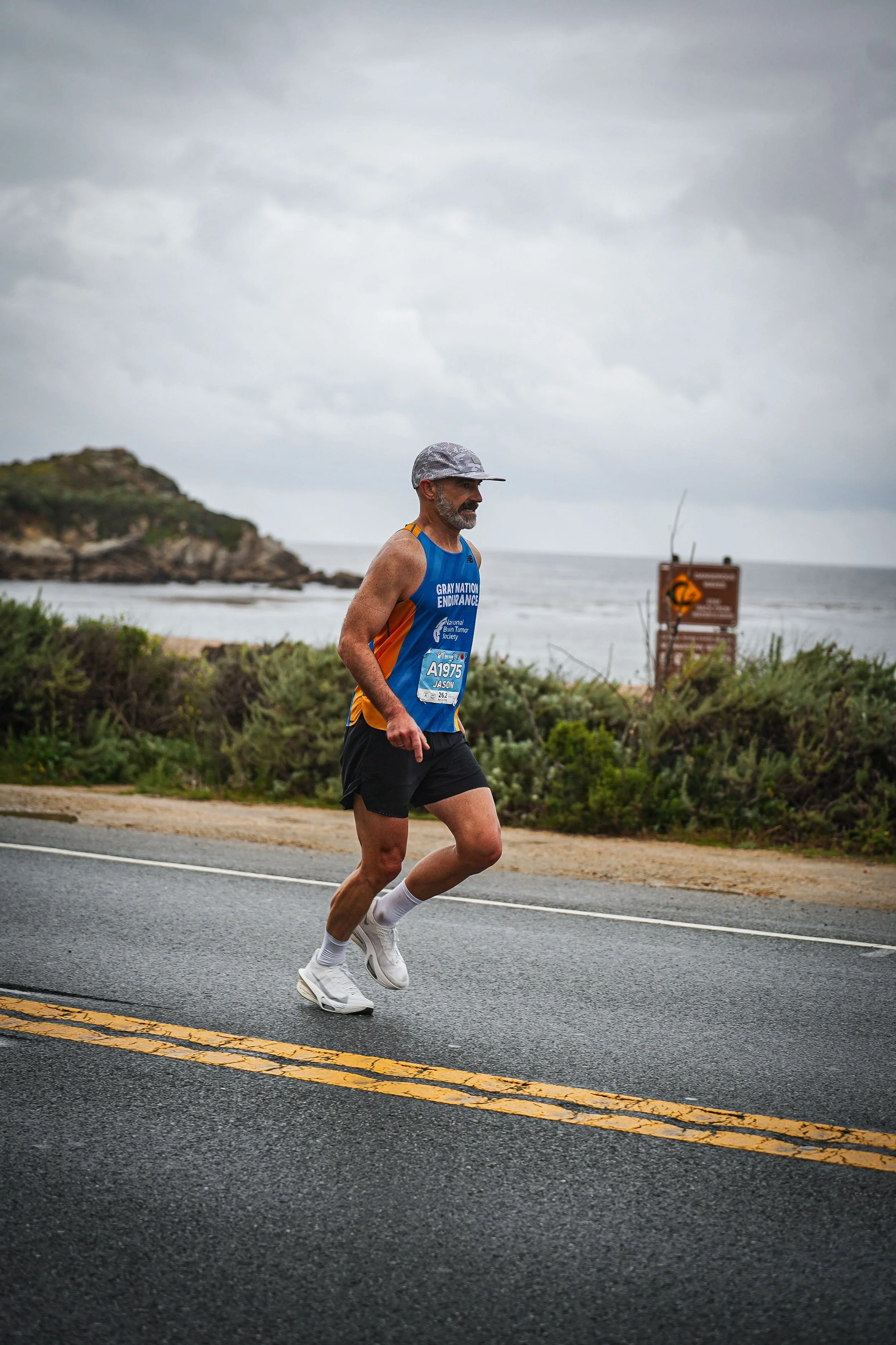
Big Sur isn't a course where you chase a PR; it’s a course where you test your soul. Between the relentless rolling hills and the infamous two-mile climb up to Hurricane Point, the elevation profile looks like a jagged saw blade.
Conquering Hurricane Point: Breathe
My training had been spot-on, and I had my sights set on a 3:10. Crossing the iconic Bixby Bridge—with the mist clinging to the spans and the grand piano music echoing across the canyon—was a surreal moment of peace before the "pain cave" of the final miles.
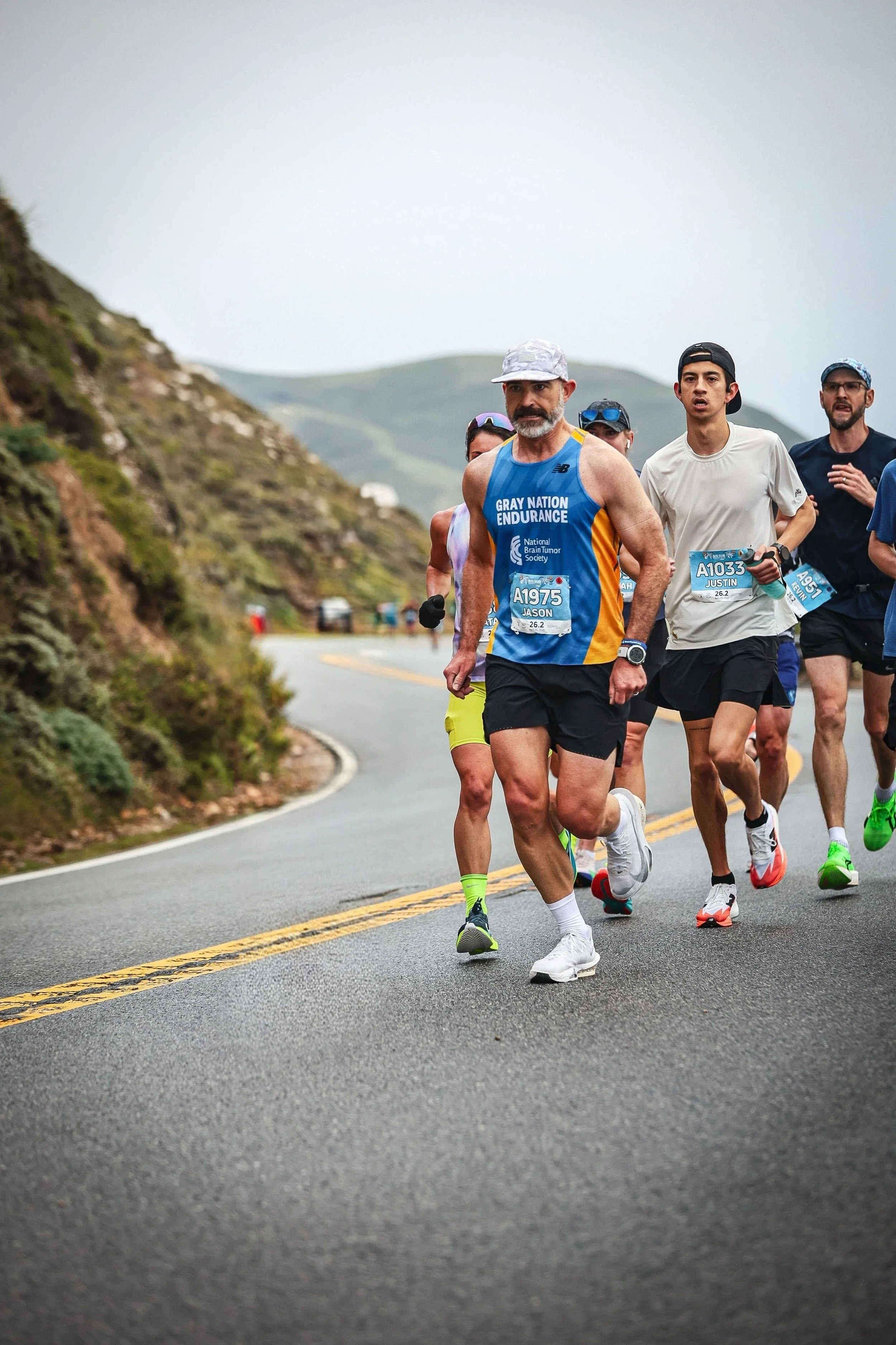
The Big Sur course is notoriously challenging, and the climb up to Hurricane Point is where the race truly reveals itself. Our pace group started large, but the hills acted as a filter. By the time we reached the base of the climb, we were down to 10 runners; by the summit, only a half-dozen of us remained.
That hill is a killer, but to ensure my muscles got enough oxygen, I used a rhythmic breathing exercise. I counted from 1 to 10: breathe in on 1, out on 2, repeat until 10, and then restart. Under the pressure of a hard race, it’s easy to hold your breath unconsciously. This counting kept me grounded and focused, reminding me that every single breath counts.
The Mile 22 Wall and the 100-Meter Lesson
I felt strong for most of the race, using caffeinated gels to keep my mind from wandering into "unproductive places". However, by mile 22, the "pounding downhills" and off-camber roads began to take their toll. My 7:15 pace started to feel unsustainable. I made the gut-level decision to back off a few clicks and let the pace group pull ahead.
The final four miles were a slog. As I neared the finish in Carmel, the crowd's energy provided a final lift. In the closing 100 meters, another runner surged past me, and at the time, I let them go. It wasn't until later that I realized that runner was 3rd place in my age group (45-49). Missing the podium by one spot was a poignant reminder: the race isn't over until it’s over. But geez, 4th place in the 45-49 age group at 49 at a marathon of this size shows how focus and discipline pays off.
The Moment That Mattered
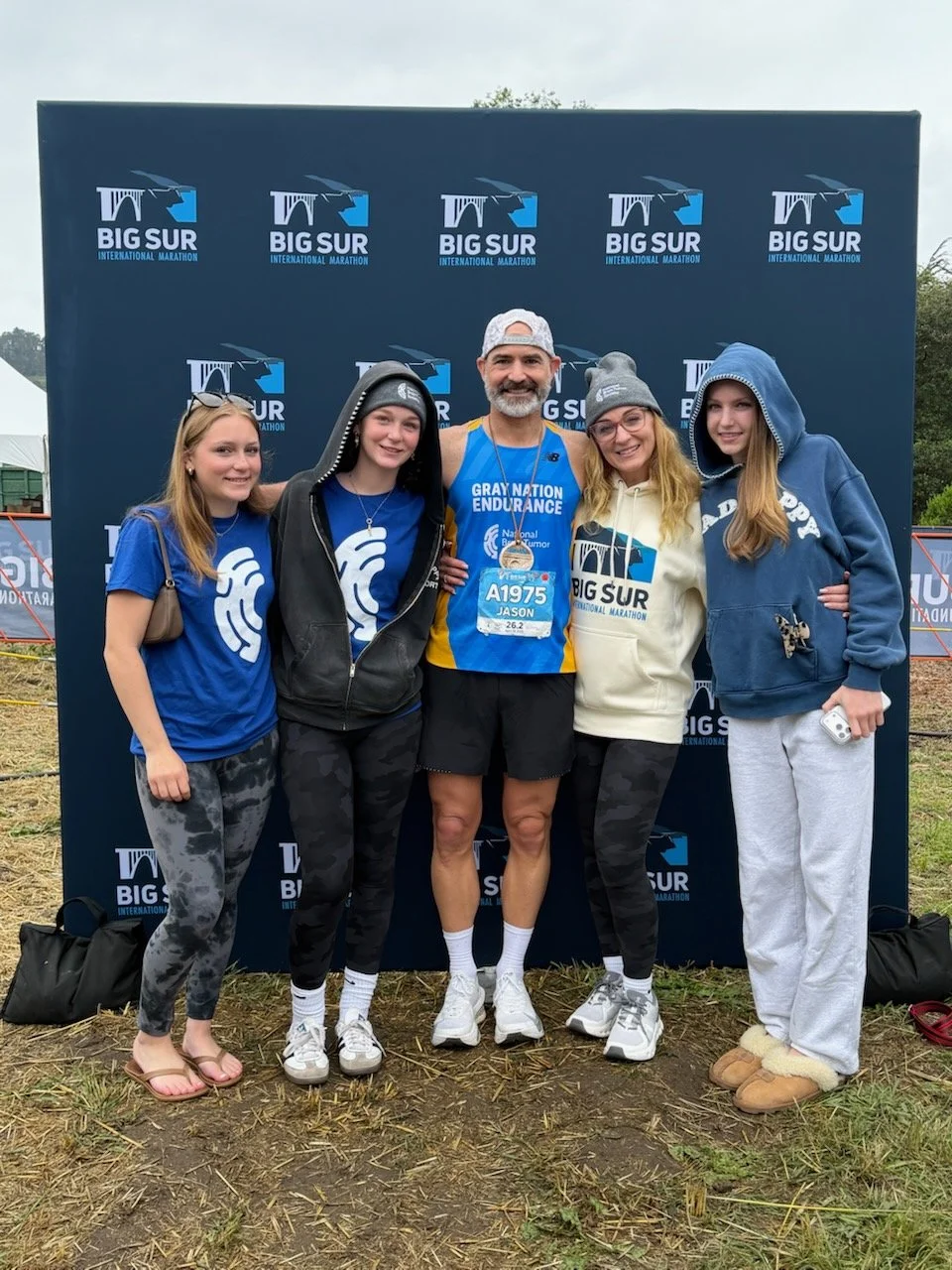
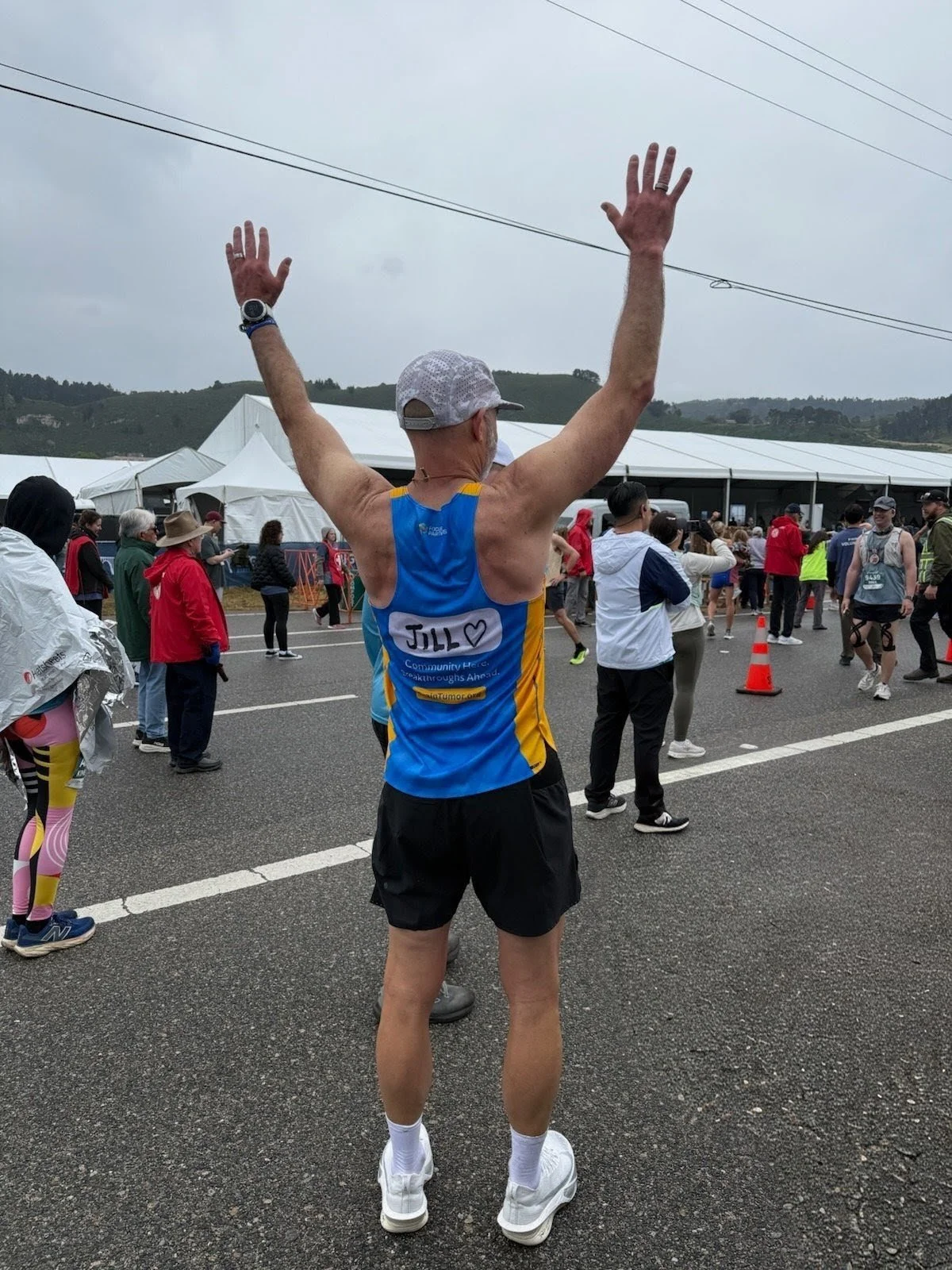
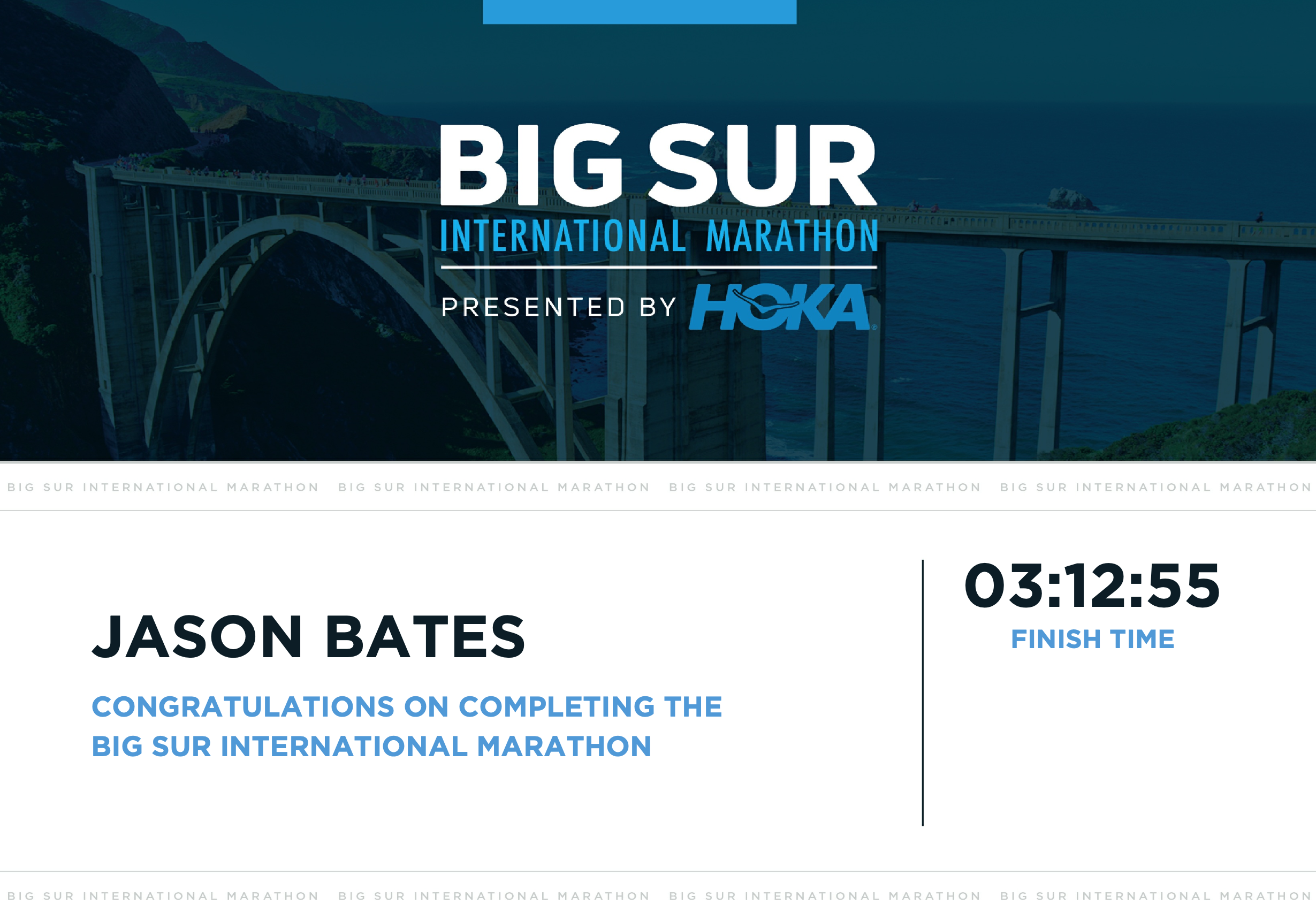
I crossed the finish line in 3:12:55. The second I crossed the finish line, the "race brain" evaporated. I heard Jill and the girls shouting my name. Seeing them running toward me on the other side of the barrier was the best trophy I could have asked for. Jill, sharing that moment with you and the girls made every uphill mile worth it.
What’s Next?
They say endurance events change you. Looking at my splits and how I felt on those hills, I’ve realized something: if I can go 3:12 on the "Ragged Edge," could I go sub-3:00 on a flat course?
For now, I’m enjoying the satisfaction of completing such a large goal and what we accomplished together for the National Brain Tumor Society and the Gray Nation Endurance team to help end brain tumors.
Thank you to everyone who supported us. We’ll see you on the next starting line.